
Contact Info
-
l, 276A, Omega Cancer Hospitals, Lane No. 12, beside Omega Cancer Hospitals, MLA Colony, Banjara Hills, Hyderabad, Telangana 500034.
l, 276A, Omega Cancer Hospitals, Lane No. 12, beside Omega Cancer Hospitals, MLA Colony, Banjara Hills, Hyderabad, Telangana 500034.


Connect with us for a free consultation. Our compassionate team at the Delta Health Hub is ready to support your journey to recovery.
Contact Us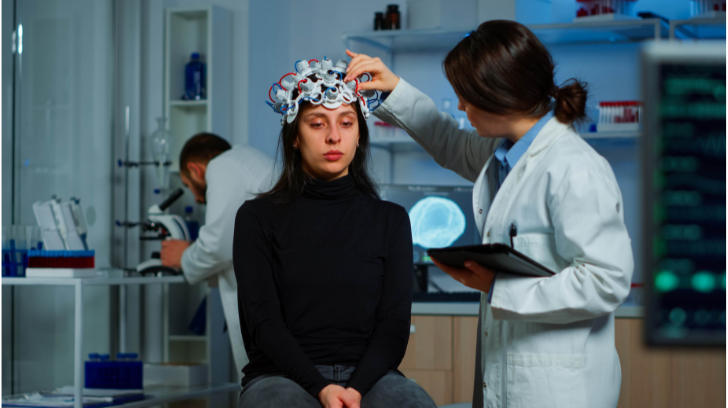
Delta Health Hub's Neuro Rehab Center is a beacon of hope for individuals navigating the complexities of neurological conditions. Our facility is equipped with cutting-edge technology and staffed by a team of compassionate and highly skilled professionals who specialize in neurorehabilitation. From the moment you step into our center, you'll experience a warm and welcoming atmosphere that fosters a sense of comfort and reassurance.
The Neuro Rehab Center at Delta Health Hub is thoughtfully designed to cater to the diverse needs of individuals recovering from neurological challenges. Our facility features advanced rehabilitation equipment, dedicated therapy spaces, and comfortable consultation rooms, ensuring a comprehensive and personalized approach to each patient's care.
1.Optimized Recovery: Through a combination of specialized therapies and personalized care, Delta Health Hub aims to optimize the recovery process, helping individuals regain independence and improve their quality of life.
2.Comfortable Environment: Our center is designed to provide a comfortable and supportive environment, fostering a sense of well-being and security for patients and their families.
3.Comprehensive Rehabilitation: Delta Health Hub's Neuro Rehab Center offers a comprehensive range of rehabilitation services, addressing physical, cognitive, and emotional aspects of neurological recovery.
4.Empowering Patients: We empower our patients by involving them in their rehabilitation journey, fostering a sense of control and motivation as they work towards achieving their milestones.
Stroke Recovery: Neurorehabilitation helps stroke survivors regain control over their motor functions through targeted exercises and therapies, promoting improved coordination and mobility.
Traumatic Brain Injury (TBI): Individuals with TBI may experience motor impairments, and rehabilitation assists in restoring motor skills, balance, and coordination.
Memory Enhancement: For conditions affecting cognitive functions, such as dementia or mild cognitive impairment, rehabilitation interventions can focus on memory enhancement strategies and cognitive exercises.
Problem-Solving Skills: Therapies aim to improve cognitive functions, including problem-solving, attention, and executive functions, helping individuals adapt to daily challenges.
Communication Disorders: Neurological conditions like Parkinson's disease or aphasia can impact speech and language abilities. Rehabilitation, including speech therapy, focuses on restoring or improving communication skills.
Chronic Pain: Individuals with neurological conditions may experience chronic pain. Rehabilitation incorporates pain management strategies, exercises, and therapies to alleviate discomfort and improve overall well-being.
Emotional Well-being: Neurological conditions often affect emotional health. Rehabilitation programs include psychological support to address anxiety, depression, and stress, promoting a positive mental outlook.
Assistive Devices: Neurorehabilitation introduces and trains individuals to use assistive devices such as walkers, canes, or adaptive technology to enhance independence in daily activities.
Balance Improvement: Rehabilitation focuses on improving balance and stability, crucial for individuals with conditions like Parkinson's disease or ataxia.
Activities of Daily Living (ADLs): Rehabilitation aims to enhance the ability to perform everyday activities independently, such as dressing, grooming, and cooking.
Community Integration: Neurological rehabilitation supports individuals in reintegrating into their communities, providing tools and strategies to participate in social and recreational activities.
Caregiver Training: Rehabilitation programs often involve educating and training caregivers to provide ongoing support at home, ensuring a holistic approach to the individual's well-being.
Neurological rehabilitation is a comprehensive and individualized approach that recognizes the unique needs of each person. By addressing the physical, cognitive, and emotional aspects of neurological conditions, rehabilitation empowers individuals to maximize their functional abilities and improve their overall quality of life.

